1000-Lb Sisters: “Cold, Cruel & Controlling? – The Truth About Darlene Finally Revealed!”

Darlene’s Cold Presence Leaves Viewers Uncomfortable
In the world of 1000-Lb Sisters, few supporting cast members have sparked more controversy than Darlene, Tammy and Amy Slaton’s mother. From her earliest appearances, fans immediately noted her cold demeanor and apparent lack of emotional connection with her daughters. Unlike other TLC moms who are seen offering support and love, Darlene often seems distant, dismissive, and even judgmental during crucial moments in the girls’ lives.

In one notable episode, Tammy breaks down in tears discussing her health battles, only for Darlene to offer a cold, almost indifferent response. These interactions have become a defining characteristic of her on-screen presence, and fans haven’t forgotten. Comments online often describe her as “emotionally unavailable” and even “toxic.”
Is Darlene Just Misunderstood?
While the audience might see Darlene as a villain, some viewers have begun to wonder if there’s more to the story. After all, growing up in poverty, raising children alone, and dealing with generational trauma could explain her emotional distance. Darlene has hinted in past episodes that she’s been through a lot—though she rarely opens up in front of the cameras.
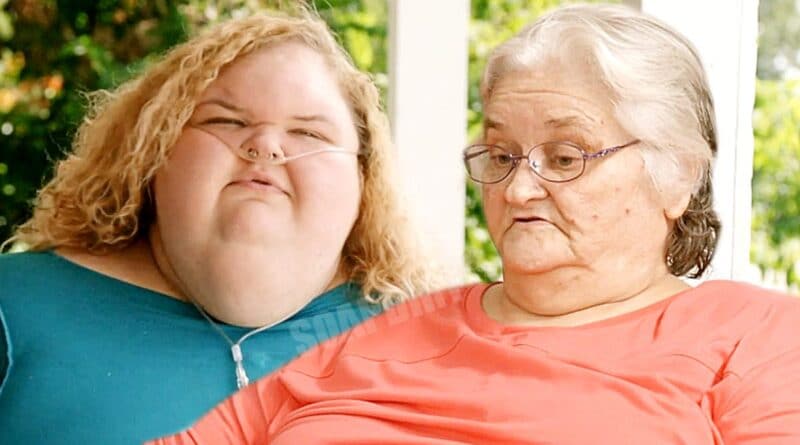




There’s also the question of editing. Reality TV is notorious for cutting and stitching footage to fit dramatic narratives. Could it be that Darlene’s worst moments are the only ones being shown? Perhaps she does support her daughters behind the scenes, but it’s simply not deemed “good TV.”
A Complicated Relationship That Reflects Real Life
Despite the backlash, the relationship between Darlene and her daughters mirrors what many real-life families go through—strained connections, miscommunication, and years of unresolved pain. It’s easy to label Darlene the villain, but it’s harder to consider the emotional toll of being a single mother in rural Kentucky with limited resources.
The truth is, Darlene may not be inherently “bad.” She may just be flawed, guarded, and perhaps overwhelmed by the weight of her family’s problems. That doesn’t excuse the coldness, but it does offer a more complete picture. In the end, the audience may never get full clarity, but the complexity of the Darlene dynamic keeps viewers talking—and watching.